Warehouse Automation Solutions for Manufacturing Facilities

Warehouse Automation Solutions

Improve Material Flow, Eliminate Bottlenecks, and Build More Efficient Warehouse Operations

Warehouse performance is now a crucial component of total operational effectiveness for many manufacturing plants. Although production output may rise, bottlenecks will soon develop throughout the operation if resources, completed goods, and delivery operations cannot keep up. Manual material movement, inefficient transfer processes, dispatch congestion, and increasing labor dependency often limit throughput long before production capacity is reached.

By enhancing the flow of materials across the building, warehouse automation solves these issues. The goal is to produce a more efficient and dependable flow of materials from receiving and storage to production, packaging, and shipment, rather than just automating processes.

With conveyor automation, material handling solutions, end-of-line automation, and intralogistics systems built around actual operational needs, Solveyor assists manufacturers and warehouses in increasing operational performance.

Common Challenges Limiting Warehouse Performance

Regardless of industry, many facilities face comparable operational limitations.

Excessive Manual Material Movement

Overuse of Manual Material Movement Transporting items between warehouse sites, production lines, packaging stations, and dispatch areas often takes up significant time for operators. These manual processes become more challenging to effectively manage as operations expand. Reduced productivity, higher labor costs, and irregular material flow are the outcomes.

Dispatch Bottlenecks

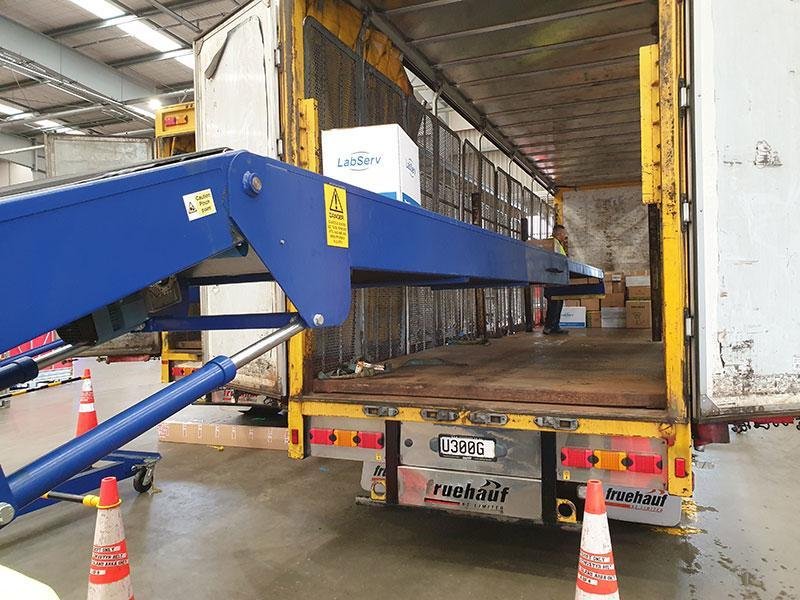
Because of ineffective staging, loading, and transfer procedures, finished items frequently build up close to dispatch zones. Dispatch delays can impact customer obligations and raise inventory holding costs even when production targets are met.

Limited Warehouse Throughput

Many facilities place a higher priority on storage capacity than on the effectiveness of material circulation. Warehouse performance deteriorates, and throughput is negatively impacted when products spend too much time waiting between operational phases.

Labor Dependency

Manufacturing and warehouse operations are nevertheless challenged by labor shortages, employee turnover, and growing labor expenses. Scaling operations while maintaining consistent productivity is challenging when there is a heavy reliance on manual handling.

Inefficient Internal Logistics

Unnecessary movement, higher trip distances, and preventable operating delays are frequently the result of poor coordination between storage, production, packaging, and dispatch processes.

Scalability Constraints

Manual workflows are becoming more complicated as order numbers rise. While hiring more workers could help in the short term, it rarely results in long-term, sustainable increases in productivity.

Warehouse Automation Solutions by Solveyor

Our solutions allow operational flexibility and future expansion while enhancing internal material flow.

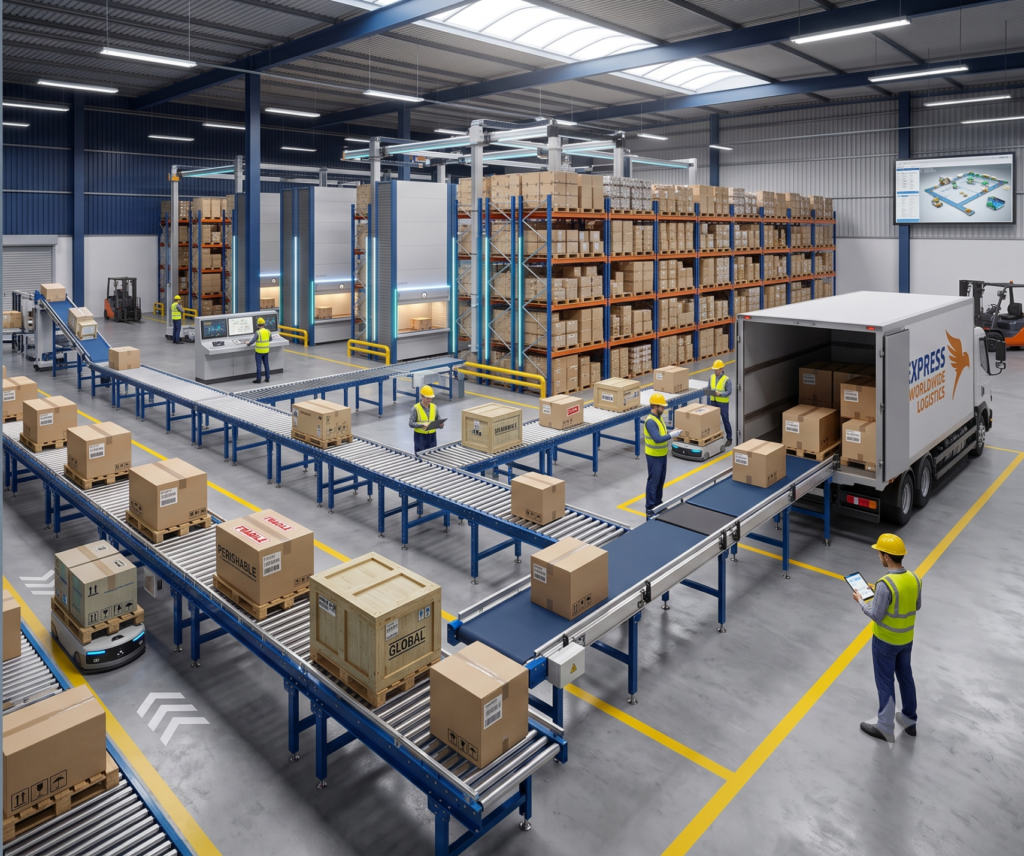
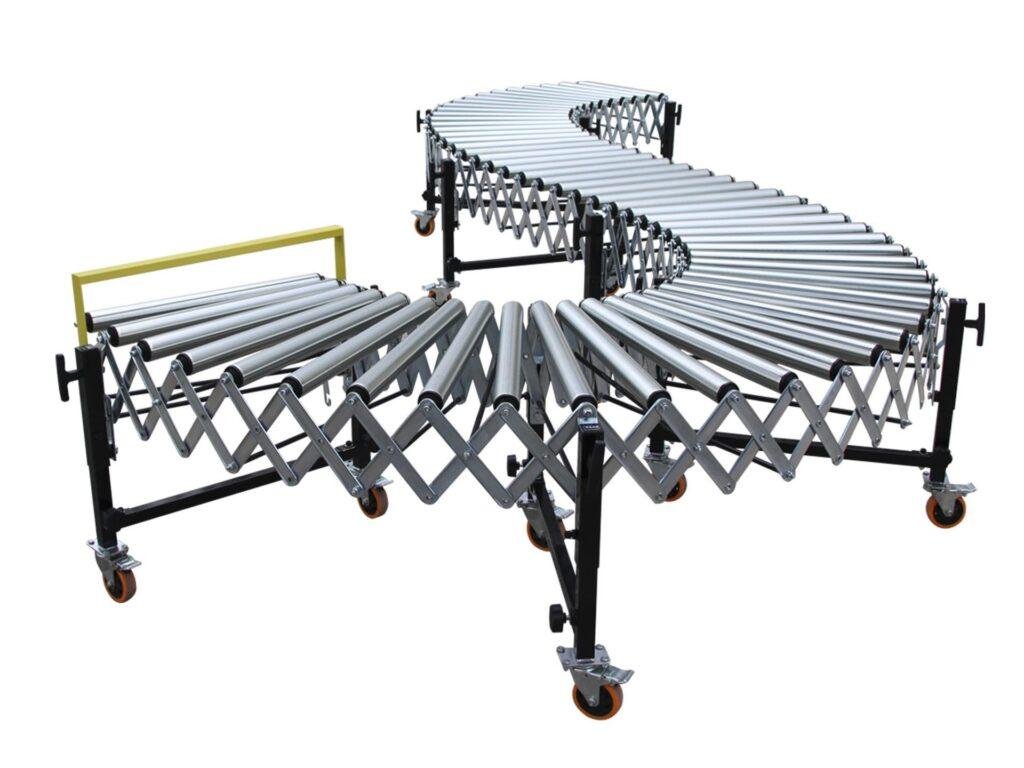
Conveyor Automation Systems

Conveyor systems minimize delays and save manual transfer by establishing a constant flow of commodities between operational locations. Common uses consist of:
Transfers of production lines
Integration of packaging lines

• Movement of cartons and cases
• Handling finished goods
• Staging dispatch operations related to warehouse transfers

Facilities can boost operating efficiency, save handling time, and improve uniformity by automating repetitive movement operations.

Material Handling Solutions

Effective material handling is essential to production and warehousing productivity.
Organizations benefit from our solutions:

• Cut back on manual handling tasks
• Boost safety at work
Simplify the flow of materials
Reduce the amount of time that processes take
• Boost the uniformity of the workflow
• Allow for increased throughput levels

End-of-Line Automation

Packaging, stacking, sorting, and dispatch preparation tasks frequently cause congestion in the last stages of production.
Facilities benefit from end-of-line automation:

• Enhance the flow of products
• Lower the number of accumulating points
• Boost the effectiveness of packaging
• Quicken dispatch preparedness
• Make better use of resources downstream

Intralogistics Solutions

The effective transportation of materials within a facility is the main emphasis of intralogistics.

Intralogistics systems assist in reducing needless movement while enhancing operational visibility and coordination by linking receiving, storage, production, packing, and dispatch regions.

As a result, the movement of materials throughout the operation is more reliable and effective.

Business Benefits of Warehouse Automation

When warehouse automation is in line with actual workflow requirements, it produces quantifiable operational improvements.

Improved Warehouse Throughput

Facilities can handle higher quantities without correspondingly increasing labor thanks to efficient material transportation, which decreases waiting times between processes.

Faster Dispatch Operations

More effective loading and shipping preparation are supported by better finished goods transportation and staging, which helps operations more reliably fulfill delivery obligations.

Reduced Labor Dependency

Automation frees up workers to concentrate on higher-value operational duties while reducing dependency on repetitive manual handling jobs.

Increased Productivity

Production, packing, warehouse, and dispatch operations run more smoothly when commodities move more efficiently.

Better Utilization of Available Space

Optimizing the flow of materials can often make better use of the space you already have in your warehouse, and avoid the need to build new warehouse space.

Improved Operational Consistency

Workflow dependability is increased, and variability is decreased with standardized material movement procedures

Enhanced Workplace Safety

The result is a safer work place with less manual transportation and handling.

Industries We Serve

FMCG Manufacturing

Encourage effective dispatch operations and high-volume product movement

Food & Beverage Manufacturing

Enhance the movement of materials between the locations for processing, packing, storage, and dispatch.

Pharmaceutical Manufacturing

Facilitate the efficient and controlled flow of goods throughout the manufacturing and storage

processes. Packaging Industry

Reduce bottlenecks in the packaging and shipment processes and increase workflow efficiency

Electronics Manufacturing

Controlled material movement systems provide dependable handling of delicate materials.

Warehousing & Distribution Centers

To increase operational efficiency, optimize the storage, staging, transfer, and dispatch processes.

Why Solveyor

Practical, Operations-Focused Solutions

Instead of adding needless complexity, we concentrate on resolving actual operational problems.

Customized System Design

Each facility runs uniquely. Our solutions are created with your layout, procedures, goods, and operating objectives in mind.

Scalable Implementation Approach

We provide solutions that meet present needs while offering room for expansion in the future.

Expertise in Material Flow Optimization

Our main goal is to increase internal material mobility, dispatch effectiveness, and warehouse throughput using workable automation solutions.

End-to-End Project Support

We collaborate closely with clients at every stage of the project lifecycle, from initial evaluation and system design to implementation and optimization.

How We Work

Assess

We assess the present material flow, handling difficulties, bottlenecks, and operational goals.

Design

Our team creates a solution that fits your operational needs, expansion goals, and facility layout.

Implement

Systems are put into place with an emphasis on minimal interruption, safety, and operational continuity.

Optimize

Through constant assessment and development, we contribute to long-term performance assurance.

Is Your Facility Experiencing These Challenges?

✓ Excessive manual material handling,
✓ Dispatch bottlenecks
✓ Production-to-warehouse congestion
✓ Labor dependency
✓ Slow internal material movement
✓ throughput constraints
✓ inefficient warehouse workflow
It might be time to consider the potential for automation and process optimization if a number of these issues sound similar.

Frequently Asked Questions

Warehouse Automation refers to the use of systems and technologies that improve material
movement, storage, handling, and dispatch operations while reducing manual
intervention.

Yes. Many Automation solutions can be implemented in phases, making them practical for
growing facilities as well as large-scale operations.

By Reducing manual handling, minimizing delays, and improving material flow
between operational areas, facilities can process more products in less time.

Manufacturing, FMCG, food processing, pharmaceuticals, packaging, electronics, and warehousing
operations can all benefit from improved material flow and handling efficiency.

Frequent bottlenecks, dispatch delays, labor dependency, excessive manual handling, and
Throughput constraints are often indicators that automation should be
evaluated.

Ready to Improve Material Flow and Warehouse Efficiency?

Solveyor do operational inefficiencies stem from a single process.
They are more frequently brought on by disjointed processes, the need for human handling, and bottlenecks that limit the flow of materials throughout the building.
With conveyor automation, material handling systems, end-of-line automation, and intralogistics solutions built on realistic business needs, Solveyor assists manufacturers and warehouse operators in enhancing operational performance.

Discuss your existing issues with our team and look into solutions that promote improved dispatch performance, increased throughput, and long-term operational efficiency.